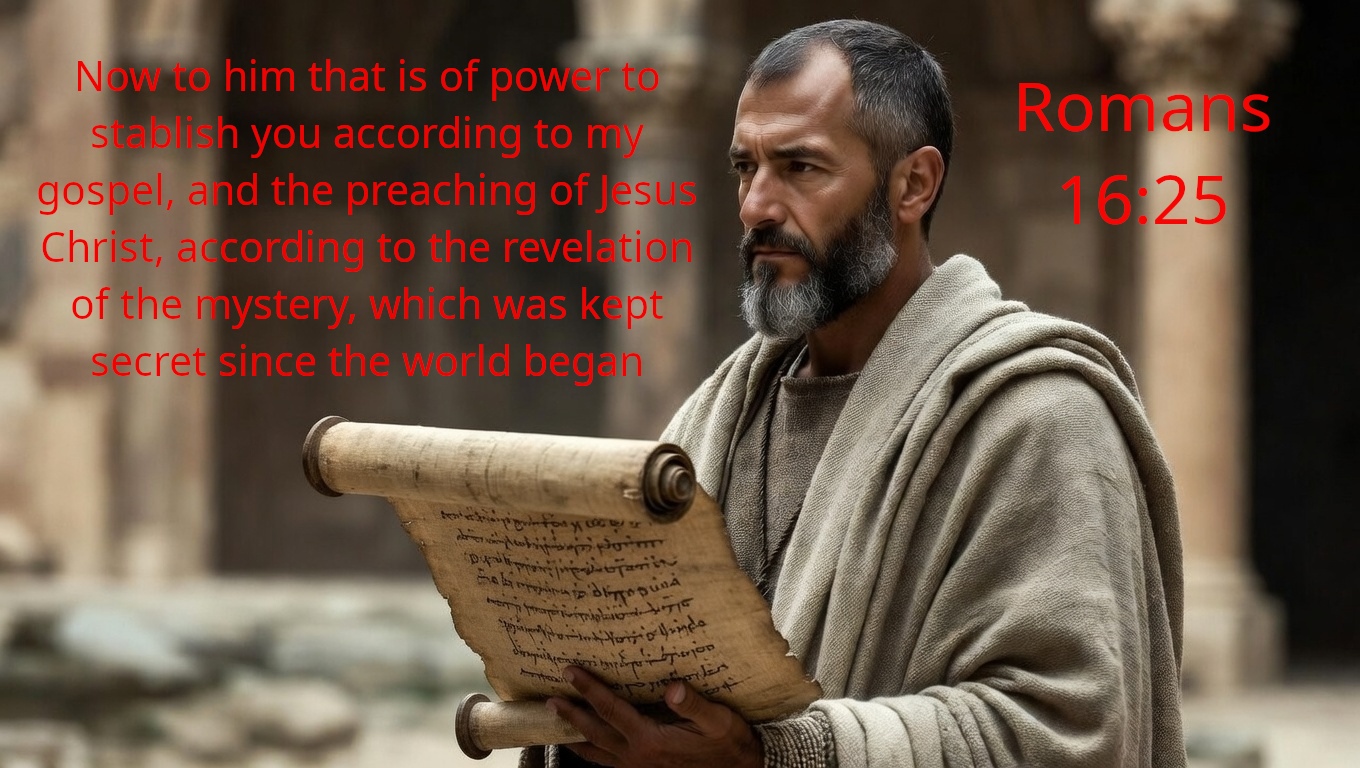
In Paul's epistles (KJV), "dispensation" translates the Greek word oikonomia, meaning stewardship, administration, management, or a plan/commission to dispense or carry out something. It refers to how God arranges or entrusts His purposes—often a specific responsibility or era in God's dealings with humanity.
Paul uses the word in these key places:
1. "The dispensation of the grace of God" (Ephesians 3:2)
"If ye have heard of the dispensation of the grace of God which is given me to you-ward..."
- Meaning: This is the primary "this dispensation" likely referred to. It is the special stewardship or commission God gave Paul to administer/preach the gospel of grace to the Gentiles.
- Paul received this by revelation as part of the mystery (the Church age truths hidden in past ages—Gentiles as fellowheirs in one body with Jews in Christ). It connects directly to the previous discussion on mysteries.
- Paul is a "steward" dispensing God's grace (the unsearchable riches of Christ) to the Ephesians and other Gentiles.
2. "The dispensation of the fulness of times" (Ephesians 1:9-10)
"Having made known unto us the mystery of his will... That in the dispensation of the fulness of times he might gather together in one all things in Christ, both which are in heaven, and which are on earth; even in him."
- Meaning: This refers to God's future administrative plan or period when He will sum up/head up all things under Christ's rule (a coming time of universal reconciliation and fulfillment). It is broader than the current age and points to the ultimate goal of God's purposes.
3. "The dispensation of God" (Colossians 1:25)
"Whereof I am made a minister, according to the dispensation of God which is given to me for you, to fulfil the word of God."
- Meaning: Again, Paul's God-given stewardship to minister the gospel (especially the mystery of "Christ in you, the hope of glory" to the Gentiles) to complete God's revelation.
Summary in context: In Paul's writings, "this dispensation" most often points to the current administration of God's grace through the gospel—specifically Paul's apostolic role in revealing and dispensing truths about the Church (the body of Christ) that were previously hidden. It is not primarily a long "age" or era (though dispensational theology builds on this idea), but a divine entrustment or management of God's program.
Paul contrasts this with prior ages (law, prophets, etc.), emphasizing that this is a new stewardship of grace for the Church until the "fullness of times."